
When Should You See a Sports Injury Specialist Near Chandigarh?
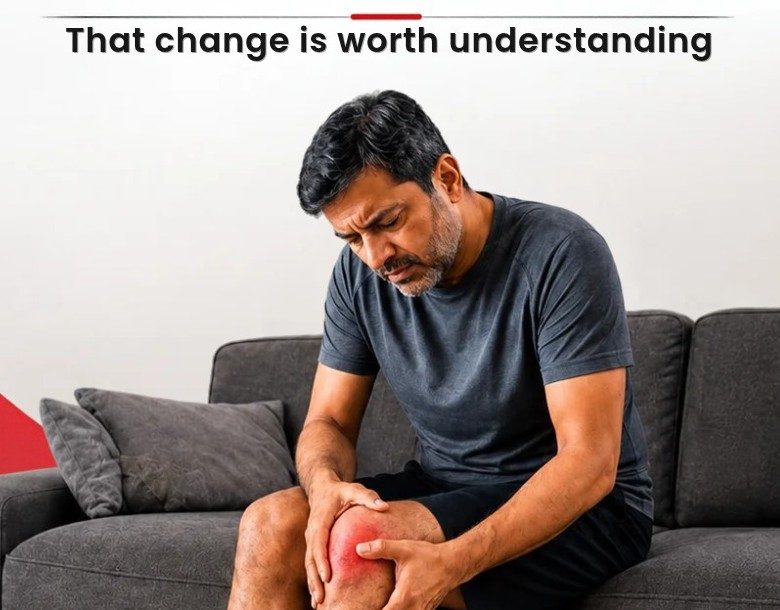
Quick answer: See a sports injury specialist if pain keeps returning, a joint gives way or an injury limits normal movement. Get urgent assessment if you cannot bear weight after an injury, and go straight to emergency care for a visibly deformed limb or a cold, pale or numb hand or foot. If you’re looking for a sports injury specialist in Chandigarh, consider how the injury happened and what you can do with the limb now.
Picture a Sunday cricket game in Zirakpur. A fielder plants one foot to turn towards the boundary and feels the knee buckle. He walks back to the car and answers the inevitable family question with, “I can walk, so it should be fine.” By the time he gets home, the knee looks puffy and the stairs feel uncertain.
That change matters. Being able to walk off the pitch tells you a little about the injury. How the joint moves, swells and feels under load can tell you more.
Which injuries need care straight away?
Get urgent assessment if you cannot put weight on the leg after a fall or twist, if pain is severe, or if a joint swells quickly after an injury. A knee that gets stuck and will not straighten also needs prompt attention. After an ankle twist, bruising and swelling can happen with a sprain or a fracture. A clinician can examine the area and decide whether you need an X-ray. AAOS guide to ankle sprains.
A limb that looks out of shape, a wound with visible bone, or a hand or foot that becomes cold, pale or numb calls for emergency care. Keep the injured part still while getting help. Leave attempts to straighten or put a joint back in place to medical professionals.
A blow to the head is a separate concern. Stop playing if concussion is suspected and get medical assessment before returning. Worsening headache, repeated vomiting, a seizure or increasing difficulty staying awake after a hit to the head requires emergency care. CDC concussion signs and danger signs.
When does a less dramatic injury need a specialist?
We often see people who can manage their normal walk but get pain every time they try to bowl, climb stairs or build back to their usual gym weights. Sometimes there was a clear moment of injury. Other times it crept up after changing shoes, adding running distance or training more days in a row. Pain that keeps coming back with the same movement deserves a closer look, especially if it changes the way you move or keeps you from progressing.
Watch for repeated swelling, a joint that feels unreliable, or persistent weakness on one side. A shoulder that slips or hurts with overhead movement, an ankle that keeps turning on uneven ground, and a knee that buckles when you change direction are all reasons to book an assessment. You can mention the first injury even if it happened months ago. Old injuries can help explain the pattern now. AAOS guide to sprains, strains and other soft-tissue injuries.
What should you tell the specialist about how it happened?
Start with the movement. Did you land awkwardly, collide with someone or feel pain halfway through a run? If you heard a pop, say so. Tell the clinician whether you could keep playing, how quickly swelling appeared and which movement now feels difficult. “My knee gives way when I step off the kerb” gives them more to work with than “My knee feels odd.”
Bring reports and images from any earlier visits. The clinician may check your movement, strength and joint stability, then decide whether imaging would help. An X-ray can help assess bone injury. An MRI may be useful for certain soft-tissue injuries when the findings would affect the treatment plan. Some injuries can be assessed and managed without an MRI.
What should you do about practice in the meantime?
Pause the movement that brought on the pain. If an injury is mild and improving and there are no urgent signs, relative rest and elevation can help with swelling. A wrapped cold pack can be used for short periods for comfort. If symptoms worsen, or normal walking or everyday movement remains difficult, arrange an assessment rather than repeatedly testing the joint in a match.
Once the diagnosis is clearer, ask which exercises you can do while the injury settles. A return to sport can involve rebuilding movement, strength and balance, then trying drills that resemble the game. A walk around the block puts different demands on an ankle than a quick turn on a badminton court. If pain, swelling or instability returns during drills or afterwards, check in with your clinician or physiotherapist before increasing the load.
How does HealthClique Hospital approach sports injuries?
At HealthClique Hospital in Mohali, our departments include sports injury, trauma management and arthroscopy. Our lead surgeon, Dr. Vivek Kochar, is an orthopaedic surgeon with more than 18 years of experience who specialises in robotic knee resurfacing, joint replacement and advanced orthopaedic procedures.
Tell us what you want to get back to. That might be bowling six overs on Sunday, walking comfortably between classes or doing a full day at work without your ankle swelling. Ask which activities are safe while you recover and which signs mean you should come back for review. If a knee injury raises a question about a meniscus or ligament, our knee arthroscopy page explains where keyhole surgery may fit for selected problems.
Frequently asked questions
Can I have a serious injury even if I can walk?
Yes. Some people can still walk with a ligament or meniscus injury. The way the injury happened, swelling, difficulty straightening the knee and a feeling of giving way all help determine how soon you should be examined.
Do I need an MRI before booking a consultation?
Usually you can start with an examination. Bring any imaging you already have. The clinician can then advise whether an X-ray, an MRI or another test would change what happens next.
Does seeing a sports injury specialist mean I will need surgery?
Many injuries can be managed with temporary activity changes and progressive rehabilitation. Some may need support such as a brace. The diagnosis, severity and demands of your sport guide whether surgery is worth discussing.
Can a teenager play through pain if it eases during warm-up?
Recurring pain in a young athlete deserves assessment, particularly if there is limping, swelling or pain in the same spot each time. Pause the activity that triggers it and have a clinician advise on returning to training.
How do I know when I can play a full match again?
Ask what you should be able to do at each stage, from basic exercises to training at match pace. Your clinician or physiotherapist can use movement, strength and sport-specific tasks to help judge readiness. The plan depends on the injury and the demands of the sport.
If pain or instability keeps interrupting your training, visit our sports injury page to learn about arranging an assessment.
Dr. Vivek Kochar and Dr. Manu Gupta see patients at HealthClique Hospital, Phase 8B. Bring your reports and your questions.
This article is general information, not medical advice. Your treatment depends on your examination and scans.