Sports Injury Care
A knee injury can make you question whether it is safe to walk, train or play again. We examine what happened, check how the knee moves and discuss whether rehabilitation, further imaging or surgery may be appropriate.
Sports Injury Treatment
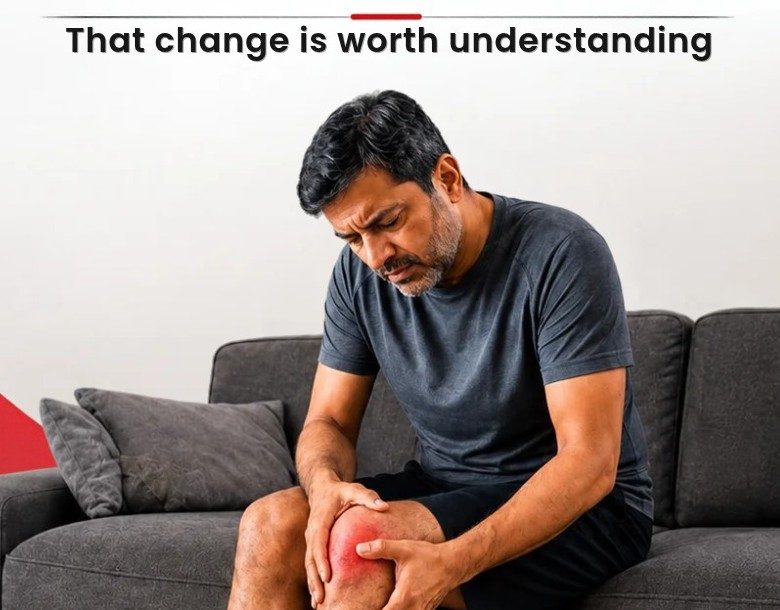
During an evening football game in Panchkula, you turn to follow the ball and feel your knee shift. You walk off the pitch. By breakfast it is swollen, and the stairs feel unfamiliar. Tell us how your foot was planted, where the pain began and how soon the swelling appeared.
A ligament injury affects tissue that helps hold the knee steady. The anterior cruciate ligament, or ACL, is one of those bands. A twist can also tear a meniscus, one of the cushions between the bones. You can injure both structures at once, and swelling or a pop alone cannot tell you which one is injured.
We ask how the injury happened and what activities you want to get back to. We examine the knee and review imaging as needed. Some injuries improve with rehabilitation. If the knee keeps giving way or a tear could benefit from repair, we discuss surgery and what recovery would involve.
Signs and symptoms
Describe what changed during daily activities as well as during sport.
01
Tell us how quickly the knee swelled and whether the swelling went down with rest or returned with movement.
02
If you heard or felt a pop, describe the landing or turn and whether you could keep walking or playing afterwards.
03
A knee that buckles while you turn, step off a kerb or descend stairs may need an assessment of stability and strength.
04
If the knee feels physically blocked and stays bent, seek prompt assessment. A displaced meniscus tear is one possible cause of locking.
05
Point to the spot if you can, especially if pain occurs when you squat, turn or stand up.
06
If you cannot bear weight after an injury, seek prompt assessment. A fracture or another significant injury may need to be ruled out.
How it works
We base the plan on the injured structures, how the knee behaves now and your goals for returning to activity.
Step 01
Tell us what you were doing and what happened afterwards. We check swelling, movement and stability, then consider X-rays or an MRI depending on the findings.
Step 02
We discuss rehabilitation and how to protect the knee while it settles. If instability or a repairable injury makes surgery worth considering, we explain what would be treated.
Step 03
If surgery is chosen, the procedure depends on the injury. A surgeon may repair a suitable meniscus tear or reconstruct a torn ACL using a graft.
Step 04
Rehabilitation works on motion, strength and control before harder tasks such as running or changing direction. We use progress and functional checks to guide a return to sport.
Why HealthClique
Dr. Vivek Kochar has over 18 years of orthopaedic experience and a special interest in sports medicine, joint arthroscopy and fracture management.
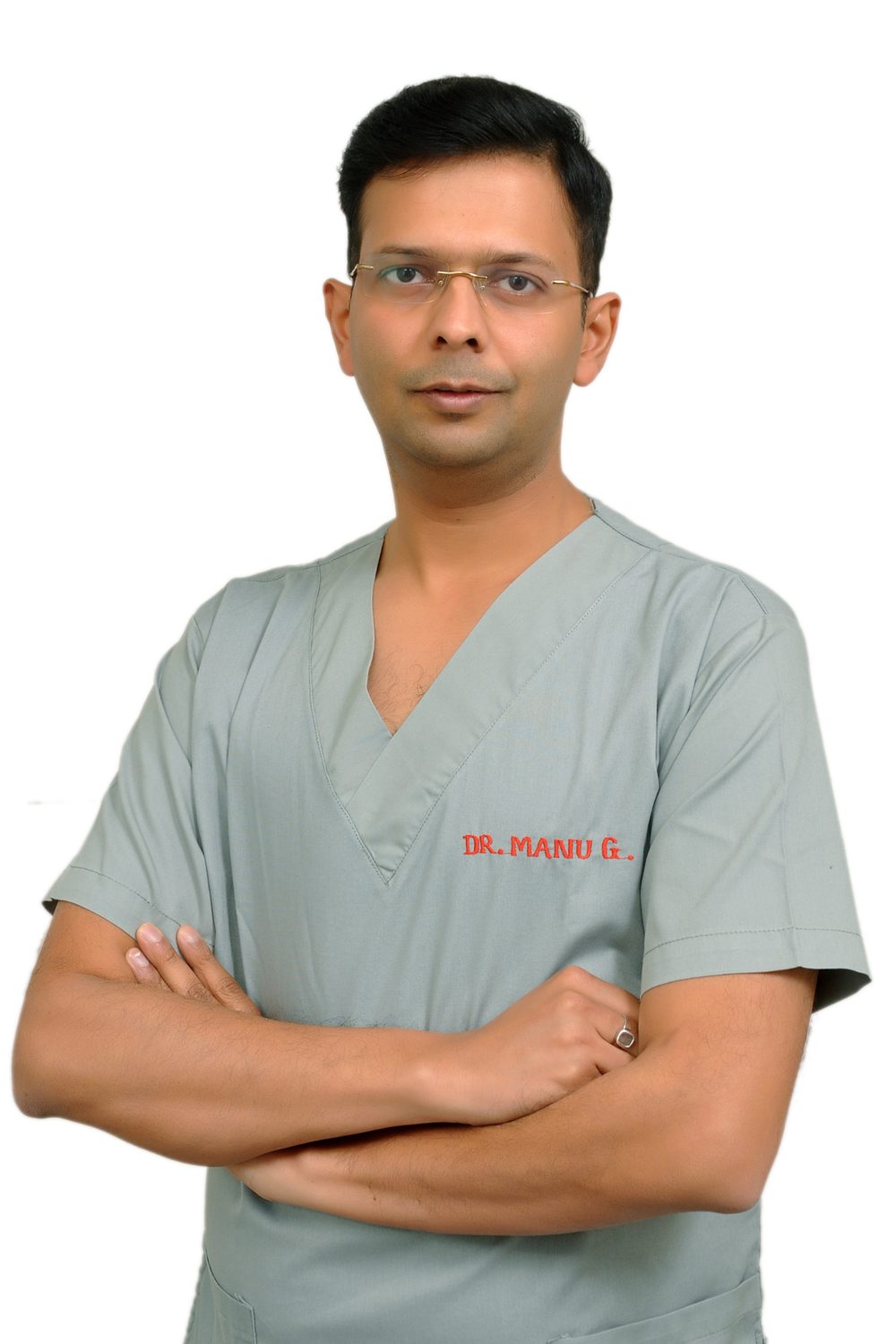
Dr. Manu Gupta, our Director and an orthopaedic surgeon, holds an MS in Orthopaedics and is a Gold Medalist. His work includes arthroscopy.
Dr. Vivek Kochar previously served as a consultant at Fortis, Max and Paras hospitals in Mohali and completed international fellowships.
HealthClique has performed more than 1,500 surgeries across its services. More than 50,000 patients have trusted us for their care at the hospital.
Good to know
If you are considering ACL reconstruction in Mohali, you may wonder if you can avoid surgery. Some people manage an ACL injury with rehabilitation and changes to their activities. Repeated giving way, other knee injuries or plans to return to sports with quick turns may change the decision. We consider what you need the knee to do and how steady it is.
Meniscus tear treatment depends on the location and pattern of the tear, the condition of the joint and the symptoms it causes. Some tears improve with exercise-based care. A tear that blocks the knee may need prompt review, and certain tears can be stitched. Tissue healing and any other procedure done at the same time affect how quickly bending, walking and heavier exercise can progress.
If you want to return to cricket in Chandigarh or badminton in Kharar, tell us what you do on court or on the field. A straight jog places different demands on the knee than a sudden stop or turn. Follow the agreed return-to-sport plan, which takes into account the injury and how your knee handles more demanding tasks during rehabilitation.
Your surgeons
18+ years experience
Orthopaedic surgeon with a special interest in robotic knee resurfacing, joint replacement, sports medicine and arthroscopy.
MS Ortho, Gold Medalist
Orthopaedic surgeon and Director of HealthClique Hospital. Joint replacement, robotic knee procedures and sports injuries.
FAQs
Ask us anything at your visit. You can also call the hospital any time on +91 99881-20220.
Some people can walk after an ACL tear, especially once pain and swelling settle. Walking gives little indication of how the knee handles a quick turn or landing. If it buckles, swells again or feels unsafe, have it assessed before training.
Many tears can be managed without surgery, depending on symptoms, tear pattern and joint health. If the knee is locked or symptoms persist despite rehabilitation, a surgeon may discuss surgery. Examination and imaging help us decide whether the tear explains your symptoms.
It depends on the examination. X-rays may be needed to look for a fracture, while MRI can help show ligament, meniscus and cartilage injuries. We may advise MRI if more detail about a suspected tear could affect the choice of treatment.
Some people with partial tears regain enough stability for their usual activities with rehabilitation. We consider how the knee functions alongside what imaging shows. If it keeps giving way or you need to pivot often at work or during sport, we can reassess it.
The decision depends on the injury, any surgery and how you move during tasks that resemble your sport. We consider swelling, strength, control and confidence. Your care team may use functional tests and a gradual return to training before full play.
Get urgent assessment if the knee looks out of place, you cannot bear weight or the joint is locked. A foot that becomes cold, pale or numb after injury needs emergency attention. Seek care promptly for severe or rapidly increasing pain or swelling as well.
Other treatments
Call +91 99881-20220 to arrange a consultation at HealthClique Hospital in Phase 8B, Mohali. Tell us when the injury happened and bring any scans or reports you have.